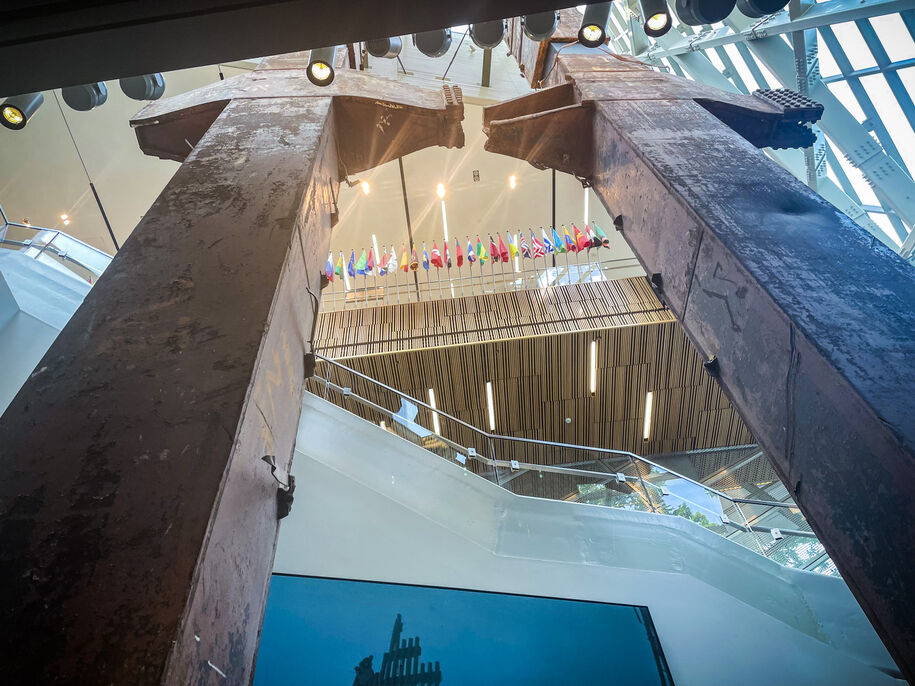
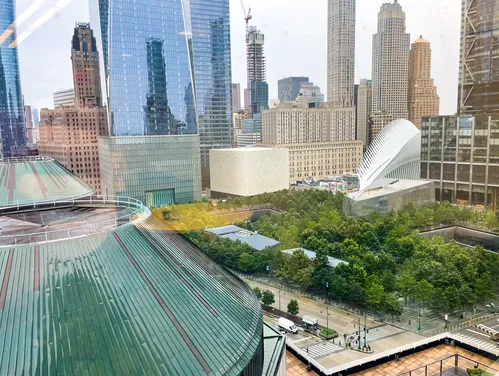
With the 25th anniversary of the September 11 terrorist attacks coming up next month, social studies teacher Jason Rude has already started planning for how he’ll incorporate this historic event into his classroom discussions.
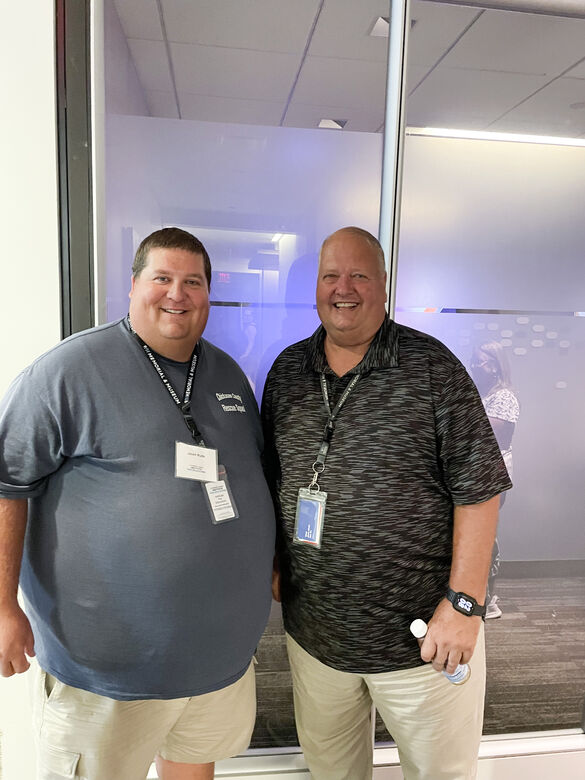
Rude, a 19-year veteran middle school teacher at New Hampton Community School District, is a 2023 fellow of the National 9/11 Memorial and Museum, which provided him with a unique academic partnership and learning experience that incorporated first-hand accounts from survivors, family members and first responders. Using his experiences, he centers much of his teaching of 9/11 on different perspectives and how the events of the day still resonate in today’s world.
Recently, Rude shared details on how he approaches teaching 9/11 with students and what the day means to him.
How do you incorporate the historic events of 9/11 in the classroom?
I’m not big on making this a one-day memorial service. Instead, I focus on how everything fits together and how it has impacted things they experience today. It’s no longer a stand-alone lesson, and I’ve gone from let’s remember how everyone felt on the day to understanding why they felt that way. Also, kids may have heard about 9/11 but may not know what led up to it. We talk about different conflicts between countries and how they may have impacted the 9/11 events. I really try to create conversations with students to understand the historical significance of 9/11 as well as the different ways that people experienced and responded to the events.
We also walk through the actual events of the day in an analytical way, using old news feeds as primary sources. I let students know beforehand what is going to occur because it can be emotional and even traumatic to watch the footage. They get to see actual interviews from different people in the city to see how confusing and scary it was and how much misinformation was out there at first. Students also witness how other parts of society were affected, like the plummeting of the stock market. It’s an opportunity to see a variety of perspectives and get an understanding of why people responded as they did.
I have also tried to include several books and resources into my teaching of 9/11. One awesome resource has been a lesson we taped with Tom Rinaldi, a sports journalist who had shared the story on 9/11 hero Welles Crowther in the ESPN feature “The Man in the Red Bandana.” The lesson with Tom not only featured 9/11 but also covered how to conduct an interview, develop primary sources and create a story. It shows 9/11 doesn’t have to be taught alone as a lesson; it can be tied into other areas of learning, making it more memorable and impactful for students.
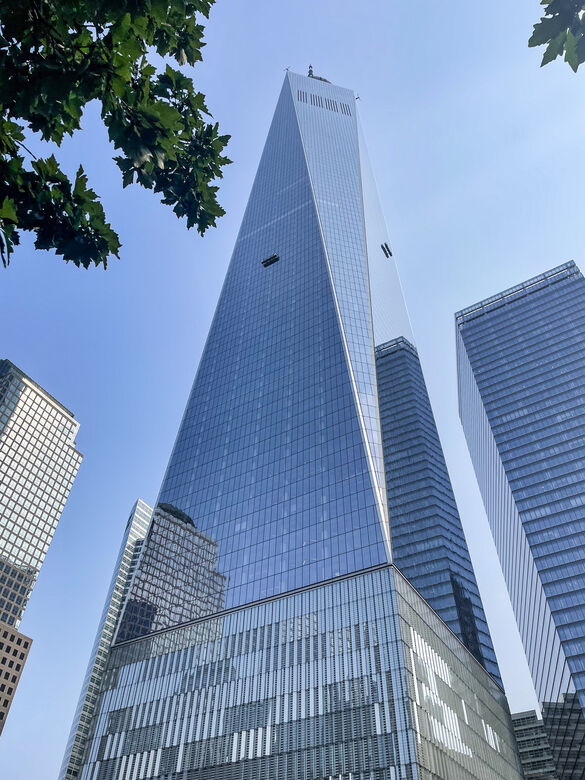
What are some key tips for educators when teaching about 9/11 to a generation of students who did not personally experience the events?
When I first started teaching about 9/11, it was different because it was only a few years after it happened. The students had all lived through it or remembered seeing it, so they understood why people were so affected and emotional about it. However, it didn’t take long for the years to pass and students had little memory of the day because they were too young or they were born afterwards and didn’t have that lived experience.
I think it’s important to show how 9/11 affects their lives today, 25 years later. They are amazed to hear how relaxed security at the airport or a concert or sporting event used to be. We also discuss the start of the war in Afghanistan and how many years we stayed there. It is important to show that world events are a big deal and affect everyone, even for many years later.
What was it like to participate in a fellowship with the National 9/11 Memorial and Museum?
It was a great opportunity, focused on experiences rather than artifacts. As a fellow and educational professional, I had access to tours of certain areas of the museum that were eye-opening. I was also able to hear interesting stories and presentations from high-level people, such as an FBI agent who worked on the investigation and family members of survivors. We had sessions on conspiracy theories and how to have conversations with people who suggest these ideas. Clifford Chanin, the president of the 9/11 Museum, also met with us to talk about how the museum wanted to present their information to the public, and he emphasized that it was imperative to include information on al-Qaeda and Osama bin Laden. He relayed that it is important for people to know the why, to know the parties involved; otherwise, it can appear that everything happened in a vacuum. That is something that I have used in my classroom discussions as well.
What resources would you recommend to educators?
I would highly recommend the Digital Learning Experience offered by the National 9/11 Memorial and Museum. Each year, the memorial releases a new video with 4-6 people who provide their perspective on 9/11. It has included testimonies from survivors, medical personnel, members of the FDNY, children of victims and other people associated with 9/11. It is free, and teachers can register to preview a copy to plan for their lesson. The experience also provides a chat room-style command center on Sept. 11 for students to ask real-time questions with museum staff. It’s a great resource and features new content each year.
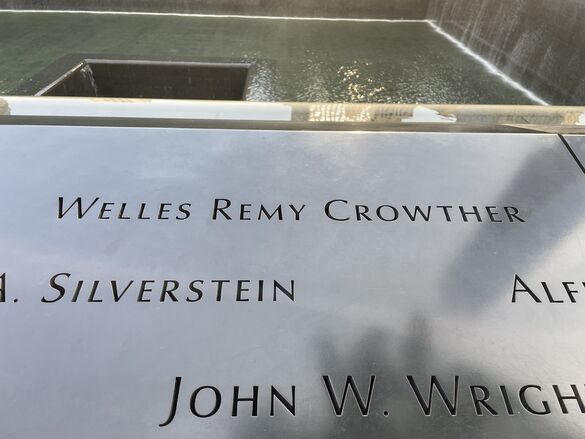
Along with the Digital Learning Experience, the National 9/11 Memorial and Museum also offers several online resources for both teachers and students.
Do you remember where you were on 9/11? What thoughts come to mind about this event?
I was in my hometown of Decorah in Ms. Blauer’s English class. I can remember hearing the principal on the loud speaker saying that Channel 1 wasn’t working, but we could watch the regular news because there had been a terrorist attack in New York City. I remember TVs being on everywhere in the school, and every time I went to a new class, something worse had happened.
That evening, after football practice—which had been made optional that day—I remember seeing so many cars lined up to get gas. When we went to eat as a team, we were all in disbelief about what had happened. We knew that nothing would ever compare to that day.
Any other thoughts?
As an educator and someone who lived through 9/11, I think it is important to help younger generations understand that 9/11 was tragic, painful and deeply emotional, while also helping them understand the broader historical context and its lasting impact. It is more than the soundbites or memes they may encounter on social media. Just because it happened 25 years ago does not mean it is simply history. Its impact continues to shape our world today.